
How to Prepare for Interior Painting: What's on You and What the Crew Handles
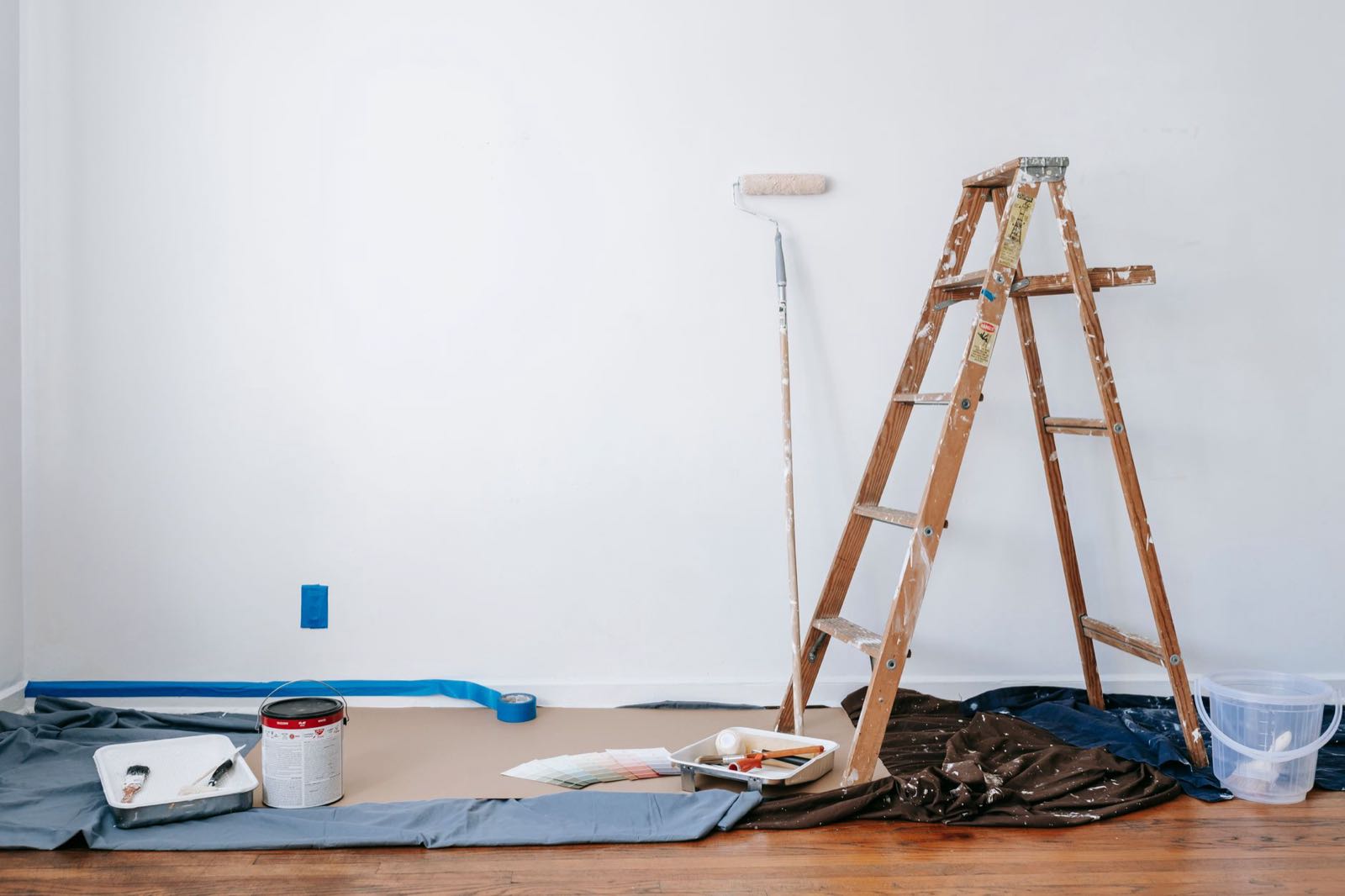
To prepare for interior painting, pick your colors, pack up the small and personal things you'd rather handle yourself, and point out any stains, cracks, or leaks before the job starts. With a full-service painter, that's most of your list: moving furniture, taping off, removing wallpaper, and the wall prep are the crew's job.
The rest of this is what each of those steps involves, and why skipping one shows up in the finished walls. (You can put the painter's tape down. Taping is our job.)
What should you do before interior painters arrive?
Settle the color first, or at least the shortlist. If you're stuck between two shades, we'll help you pick, but the decision has to be made before the coats go on, not halfway up a wall.
Pack up the small, fragile, and personal things: photos, breakables, anything on shelves you'd rather not have someone else handle. Furniture is a different story. We move it.
Then walk the rooms and point out what you've noticed: stains, cracks, old patches, a spot where water came through the ceiling. Those change the prep, and some of them need a different trade before any paint goes on. If you have pets, plan where they'll stay while the crew works, so doors can stay open and nobody walks through wet paint.
What does the painting crew handle?
On our jobs, the crew moves the furniture, removes wallpaper where there is any, tapes off and covers everything that isn't getting painted, and does the patching, sanding, caulking, and priming before the coats go on. Cleanup happens every day, with no debris left overnight, and the work is scheduled around your household.
Not every company works that way, so ask before you sign. If a painter expects you to move the furniture or tape the trim yourself, you're doing part of the job you're paying for.
Do you need to remove wallpaper before painting?
Yes. Paint over wallpaper shows every seam and edge, and the moisture in the paint can soften the paste underneath, which is how a wall ends up bubbling and peeling a few months later.
Taking it down is part of our prep wherever there's wallpaper. The wall underneath usually needs patching and priming before it's ready, because removal leaves paste residue and torn spots behind.
How do you prep walls for interior painting?
Patch the nail holes, hairline cracks, and gaps at the trim, sand the patches flush, and caulk where the trim meets the wall. Anything left alone shows through a new coat, especially on a wall that catches light from a window.
Primer goes on patched areas, stains, and big color changes. A realtor once brought us into a unit she was getting ready to list. Along with repairing cracks in the ceiling and painting the bedroom doors and trim, we primed and covered a large mural, because paint alone over strong color lets it show through.
Two problems need the cause fixed first. An active water stain needs the leak repaired, then a stain-blocking primer, or it bleeds back through the paint. Mildew on a bathroom ceiling has to be cleaned and killed before painting, because paint over live mildew doesn't stop it growing.
Does Florida humidity change how you prepare for interior painting?
It changes the drying. Paint dries to the touch well before it cures, and humidity slows both, so a wall that feels dry can still mark if furniture goes back against it too soon.
Keep the air conditioning running during the job and after it. Drier indoor air helps the paint cure, which is the same reason cabinet doors dry faster in an air-conditioned room than in a garage. Fresh paint also releases fumes as it dries, so keep air moving through the rooms being painted.
In kitchens and bathrooms, where the air stays damp, pick a more washable sheen than you'd use in a bedroom. Flatter sheens hide imperfections better, but they don't stand up to moisture and scrubbing the same way.
When should you skip hiring a painter?
When it's one small wall or a touch-up in a closet. If you have matching paint and the wall is sound, that's a reasonable afternoon with a roller, and you don't need to hire us for it.
And when there's an active leak, live mildew, or a crack that keeps coming back, call the right trade first. Paint covers a problem; it doesn't fix one, and painting over it means paying to paint that wall twice.
Frequently Asked Questions
Ours do. Moving furniture is part of our interior jobs, along with taping off and covering everything we're not painting. Ask any painter you're comparing, because not every company includes it.