
Do You Really Need to Pressure Wash Before Painting?
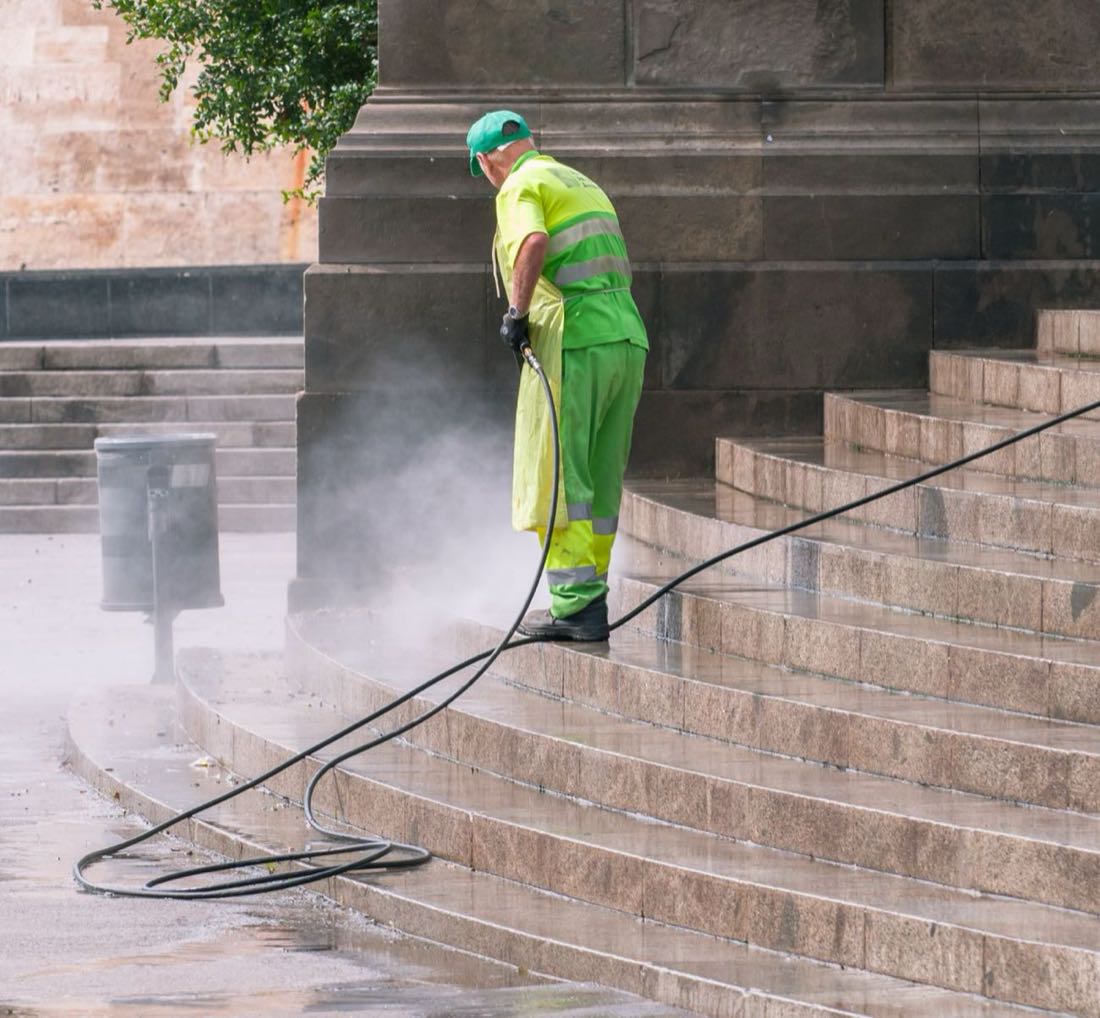
Yes, and skipping it is one of the fastest ways to turn a good paint job into a bad one. (A garden hose and good intentions don't count, no matter how confident the intentions.) Paint bonds to a clean, sound surface, not to mildew, chalking residue, pollen film, or the layer of dirt that builds up on siding and stucco between cleanings. Painting over any of that just traps the problem under a fresh coat instead of solving it.
The method matters as much as doing it at all. The wrong pressure on the wrong surface causes its own damage, which is why soft washing and pressure washing aren't interchangeable terms for the same process.
What pressure washing actually removes before paint goes on
Southwest Florida grows mildew and algae on exterior surfaces faster than almost anywhere else in the country, and that growth doesn't stay on top of the surface, it works into it. A wash that only knocks down the visible spots and leaves the rest is the reason mildew often reappears within months of a repaint.
Chalking is the other big one. As exterior paint ages and breaks down under UV exposure, it releases a fine, powdery residue on the surface. New paint applied over chalking residue doesn't bond to the substrate, it bonds to the chalk, and the chalk lets go before the new paint ever gets a fair chance.
Soft wash vs. pressure wash: matching the method to the surface
Siding, stucco, and roofing get a soft wash: lower pressure combined with a cleaning solution that kills mildew at the root rather than just blasting it off the surface. High pressure on these surfaces can drive water behind siding, strip paint that's otherwise sound, or damage roofing material that was never built to take direct pressure.
Concrete, pavers, and driveways can handle higher pressure because they're not going to delaminate or crack under it the way siding can. That's the surface where more pressure actually gets the job done faster, not the surface where it causes a problem.
How long to wait between washing and painting
Wood, stucco, and siding need to fully dry before primer or paint goes on, not just look dry on the surface. Moisture trapped underneath a coat of paint is one of the more common reasons a fresh paint job blisters or peels within the first year.
In Southwest Florida's humidity, that means waiting until the surface is completely dry after washing before painting starts, and waiting longer after a heavy wash or in a stretch of humid, overcast days. A contractor who paints the same day a house gets washed is working on a timeline that serves the schedule, not the paint job.
What pressure washing alone won't fix
A wash removes what's sitting on the surface. It doesn't fill the caulk gaps where water gets behind trim, scrape the areas where old paint is already failing, or prime bare wood and stucco that got exposed in the process. Those are separate steps, and skipping them because the surface looks clean after washing is how paint jobs fail early even when the wash itself was done right.
DIY pressure washing vs. hiring it out
Renting a pressure washer for a weekend is inexpensive, and for a driveway or a patio, that's often enough. A house exterior is a different scale of risk: the wrong nozzle, the wrong distance, or too much dwell time in one spot can strip paint, gouge wood, or force water into places it was never meant to go.
Every DIY pressure washing story eventually arrives at the same plot twist: somebody discovers exactly how much pressure it takes to also remove the paint they were trying to prep for repainting.
Professional equipment lets a soft wash actually stay soft, with pressure and chemical ratios matched to the surface instead of whatever setting the rental unit defaults to.
When pressure washing isn't the right call
If a surface already has extensive paint failure, exposed and weathered wood, or soft, rotted trim, pressure washing can do more harm than good. Water forces its way into wood that's already compromised and makes the damage worse before any paint goes on. That situation calls for scraping and repair first, with washing handled carefully around it rather than as the first step.
And if the goal is just a general refresh with no paint job planned, a lighter cleaning or a professional soft wash on its own may be all that's needed. Full pressure washing prep, done to paint-ready standards, is more than a surface that isn't about to be painted actually requires.
Frequently Asked Questions
Yes. Paint doesn't bond properly to mildew, chalking residue, or surface dirt, and skipping the wash is one of the most common reasons a new paint job fails early.