
Can You Paint Your Old Cabinets? Here's What Actually Determines It
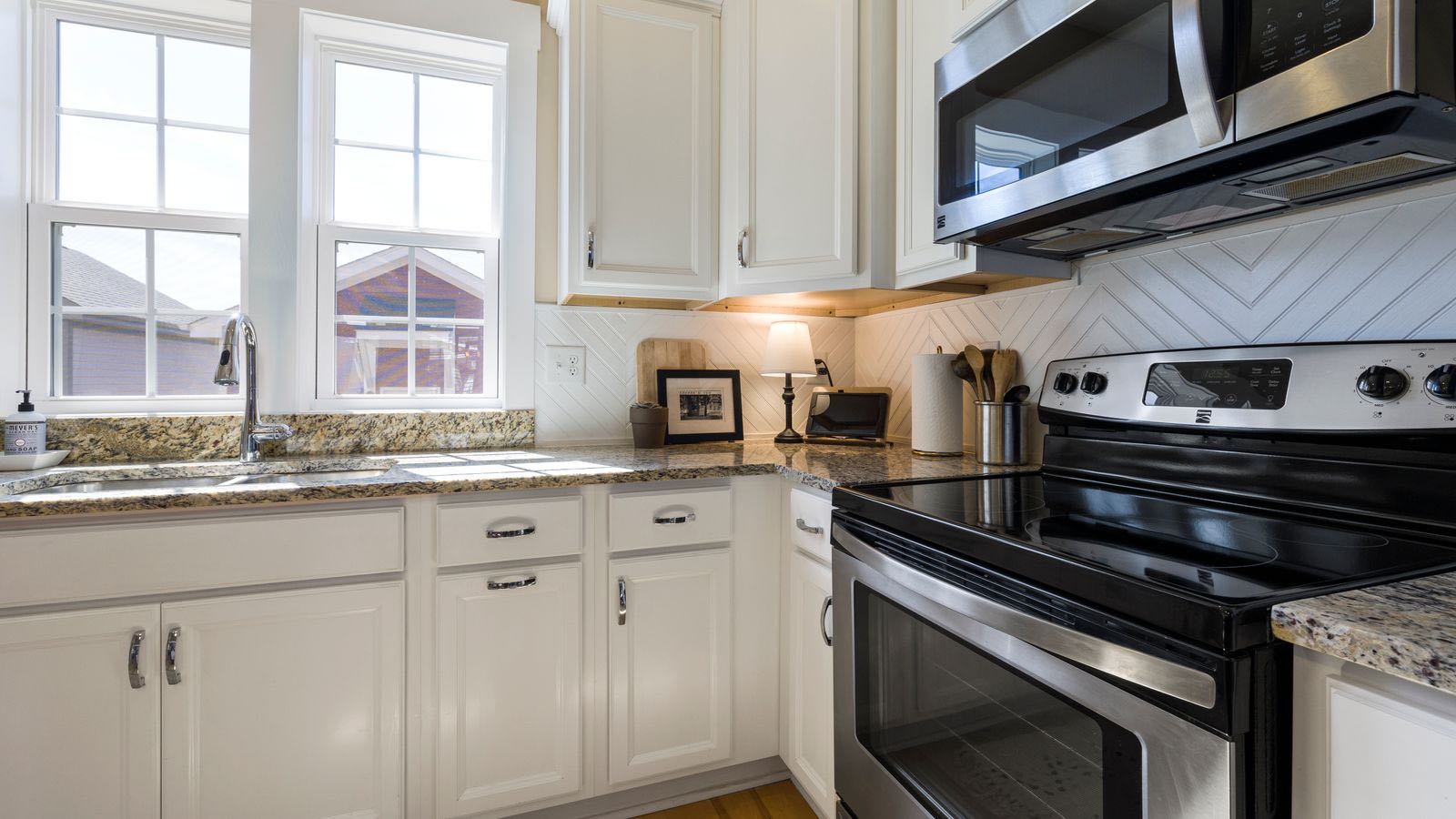
Yes, you can paint your old cabinets, and for most kitchens it's the fastest, cheapest way to change the look without touching the layout. (Your cabinets aren't old, by the way. They're vintage. Somebody should trademark that before the realtors catch on.) What rules a cabinet out isn't its age or what it's made of, it's the condition of the box underneath the finish.
The material does change how you get there. Oak, laminate, and MDF each take paint differently, and skipping the step that material actually needs is the most common reason a cabinet paint job looks good for six months and then starts chipping at the corners.
The real test isn't age, it's the boxes
A cabinet built in the 1990s and one built five years ago pass or fail the same test: is the box structurally sound. Delamination, water-swollen particleboard, sagging shelves, and hinges that won't hold screws anymore are box problems. Paint doesn't fix any of them.
Outdated color, visible wear, or a finish that's just gone out of style isn't a box problem. That's exactly the situation paint is built to solve, and it's the situation most old kitchens are actually in.
Can you paint oak cabinets, laminate, or MDF?
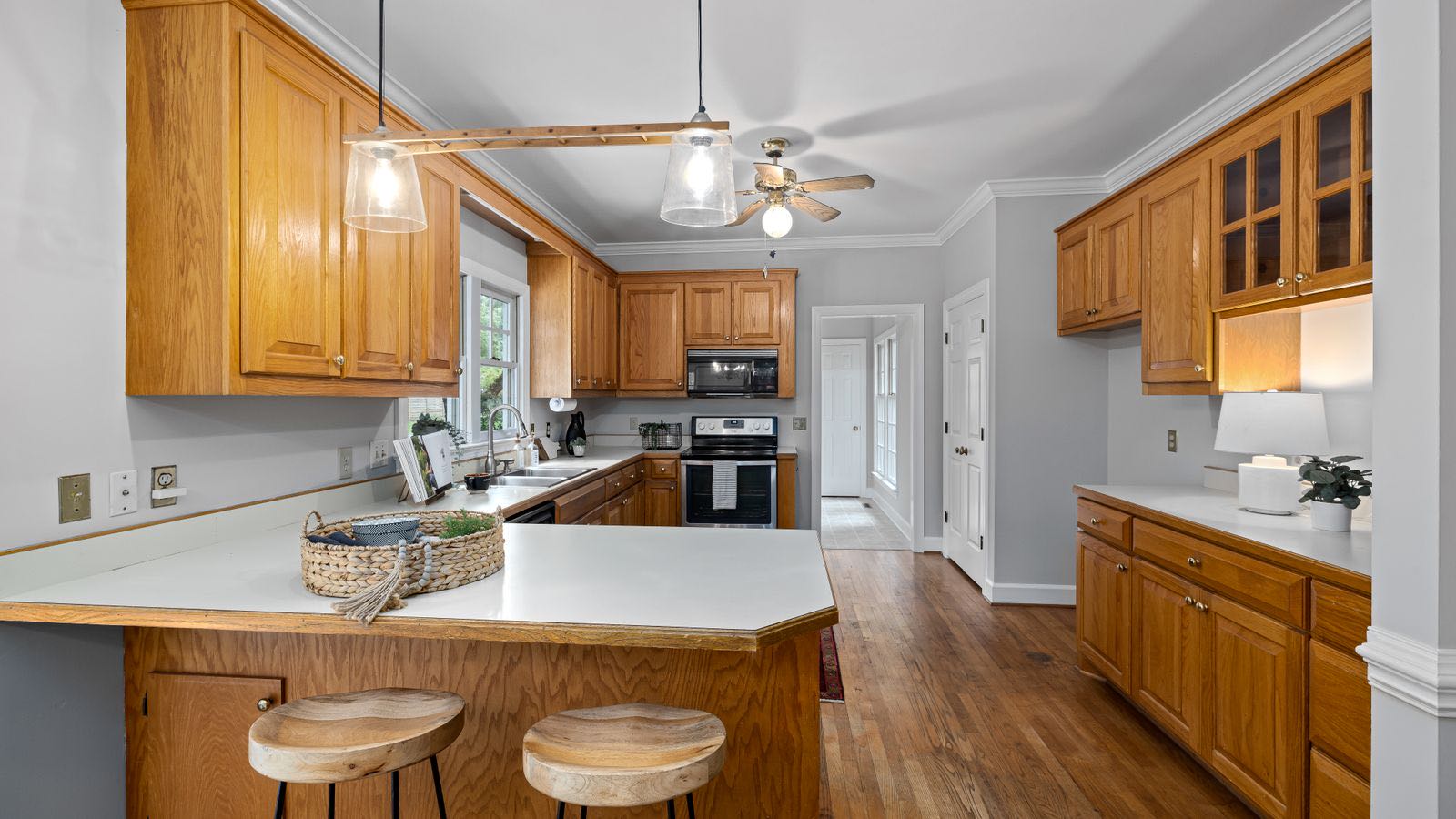
Oak takes paint fine, but its open wood grain doesn't disappear under a coat of paint, it telegraphs through. If you want a smooth, grain-free look, the grain needs to be filled before priming. If a bit of texture doesn't bother you, oak paints up with standard prep.
Laminate and thermofoil are the surfaces that trip people up. Standard primer doesn't grip a slick factory laminate, and paint applied over it without a bonding primer peels off in sheets within a year. A primer rated for glossy, non-porous surfaces is not optional here.
MDF paints the cleanest of the three. No grain to fight, no laminate layer to bond to, just a flat, uniform surface that takes primer and paint evenly, which is why a lot of newer cabinet doors are MDF to begin with.
The prep that actually determines whether it holds up
Kitchen cabinets carry a layer of airborne grease most people can't see. Paint applied over it looks fine on day one and fails within months, so every surface gets degreased before anything else happens.
After that, it's a scuff-sand to break the existing sheen, a bonding primer on anything glossy or non-porous, and caulk in the gaps where doors meet frames. None of these steps show up in the finished look. All of them show up in whether the finish is still on the cabinet two years from now.
Satin or semi-gloss: picking the right sheen
Semi-gloss is the shinier of the two. It reflects more light, wipes down easier, and holds up well to the grease and fingerprints a kitchen throws at it, but it also shows every prep flaw the higher sheen catches the light on.
Satin has noticeably less shine and is more forgiving of minor imperfections in the prep work, while still being washable enough for daily kitchen use. Flat and eggshell finishes aren't durable enough for cabinet doors regardless of how the rest of the room is painted.
DIY vs. hiring it out
A DIY cabinet paint job is mostly a materials cost: primer, paint, and supplies. The real cost is time. Doors come off, get sanded and primed, sit through dry time between coats, and go back on, and that timeline stretches fast once a kitchen is out of commission during it.
Spraying is the main reason people hire the job out instead of brushing it themselves. A sprayed finish on doors removed and laid flat comes out smooth and factory-level in a way brushing rarely matches, no matter how careful the brushwork is. Actual pricing depends on kitchen size and door count, which is what a free estimate is for.
When painting isn't the right call
If the boxes have water damage or delaminating particleboard, paint is cosmetic and the underlying problem doesn't go away, it just gets covered up until it fails again. No amount of primer turns a paintbrush into a structural engineer. That's a refinishing-versus-replacement conversation, not a paint-color conversation.
And if a previous DIY paint job is already chipping because it skipped a bonding primer, painting over it again without stripping back to a sound layer just repeats the same failure on a timeline.
Frequently Asked Questions
Technically yes, but doors removed and laid flat for spraying come out smoother and more even than painting them in place, which is why most professional jobs take the doors and drawer fronts off first.